
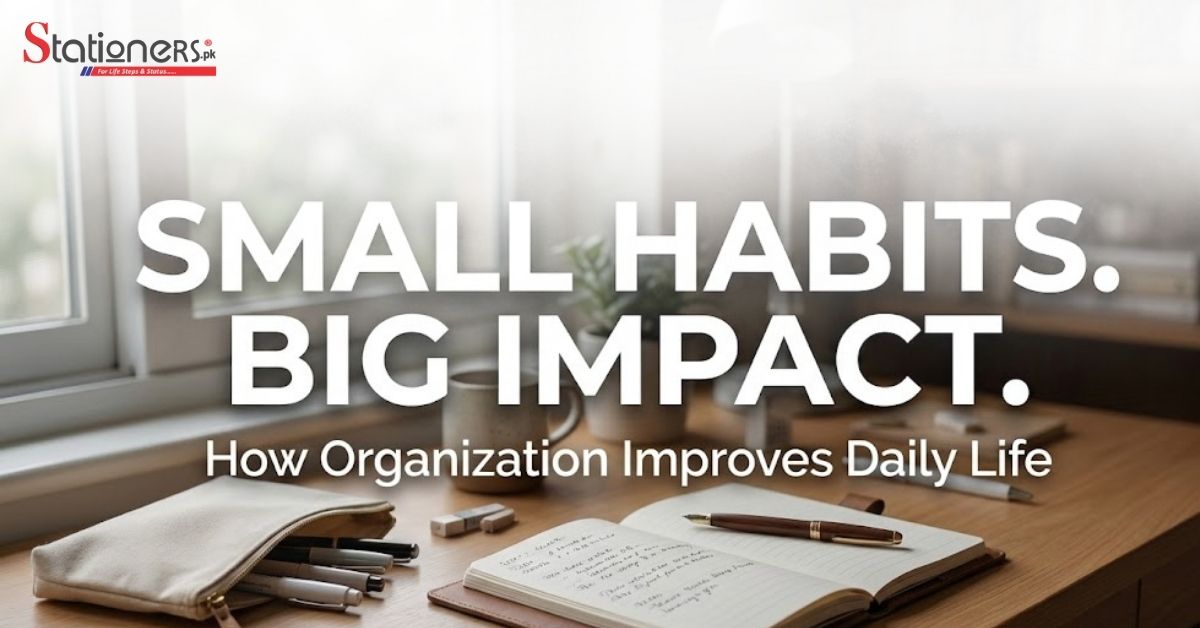
Most daily stress doesn’t come from big problems, it comes from small, repeated disruptions. Searching for a pen, untangling items in a bag, or misplacing everyday essentials may seem minor, but over time these moments quietly drain focus and energy. Small organization habits help reduce this friction, creating noticeable improvements in productivity, clarity, and peace of mind.
Why Small Disorganization Creates Big Mental Load
When items don’t have a clear place, the brain has to remember where things might be. This constant background effort leads to mental clutter. Instead of focusing fully on tasks, part of the mind stays busy managing disorders.
Organizing small items rather than attempting a full lifestyle overhaul removes these unnecessary mental interruptions. It allows the brain to operate with less friction and more clarity.
How Small Tools Support Better Organization
Organization doesn’t require complex systems. Simple tools that group related items together can dramatically improve daily routines. For example, keeping essentials in pouches helps prevent items from scattering inside bags, desks, or drawers. When everything has a designated space, time spent searching is replaced with smoother transitions between tasks.
These small adjustments don’t feel demanding, which is why they’re easier to maintain over time.
The Role of Everyday Writing Tools
Writing tools are among the most frequently used items and the most easily misplaced. A single reliable pen that’s always within reach reduces interruptions during studying, meetings, or planning. This consistency supports focus and flow, especially during tasks that require concentration.
Small habits like returning writing tools to the same place after use quietly reinforce order without conscious effort.
Why Visual Appeal Encourages Consistency
People are more likely to maintain habits when the tools they use feel enjoyable. Visually appealing items create a positive emotional response, which makes organization feel less like a chore. This is where cute stationery plays an important role: it turns routine actions like writing, planning, or organizing into experiences people actually enjoy.
When tools feel personal and pleasant, habits stick naturally.
Small Habits That Improve Daily Flow
Instead of trying to organize everything at once, focusing on repeat-use items creates the most impact. Assigning a place for daily essentials, grouping similar items together, and returning things to their spot after use builds momentum.
Over time, these small habits create smoother mornings, fewer distractions, and more mental space for important work.
How Organization Reduces Decision Fatigue
Every small decision where to place an item, where to look for it later, or whether it’s been misplaced quietly consumes mental energy. Over time, these micro-decisions add up and contribute to decision fatigue. Simple organizational habits help remove this burden by creating consistency and predictability in daily routines. When everything has a defined place, the brain no longer needs to pause and decide it simply moves forward.
This is why well-organized environments feel calmer and more productive, even when the changes are subtle. At Stationers.pk, this understanding shapes how everyday stationery and organization tools are curated so people can reduce mental clutter, save energy, and focus more on learning, creativity, and meaningful work instead of managing small distractions.
Conclusion
Big improvements don’t always require big changes. Small organization habits like grouping essentials, using simple storage, and keeping frequently used items accessible quietly improve daily life. They reduce mental clutter, save time, and support better focus without adding pressure.
By making organization simple, visual, and repeatable, everyday routines become smoother, calmer, and more efficient one small habit at a time.
Frequently Asked Questions
What are small organization habits?
Small organization habits are simple, repeatable actions like keeping similar items together or assigning a fixed place to daily essentials that help reduce clutter and save time.
How do small organization habits improve daily life?
They reduce mental load, prevent distractions, and make everyday tasks smoother by eliminating the need to search for frequently used items.
Do small organization habits really make a difference?
Yes. Small habits are easier to maintain than major changes, and over time they lead to noticeable improvements in focus, productivity, and calmness.
Why is organizing small items more effective than organizing everything at once?
Because small items are used frequently, organizing them first creates immediate impact and builds momentum for better habits.
How does visual organization help consistency?
Visually appealing and easy-to-use tools encourage people to stay consistent because organization feels enjoyable rather than forced.