
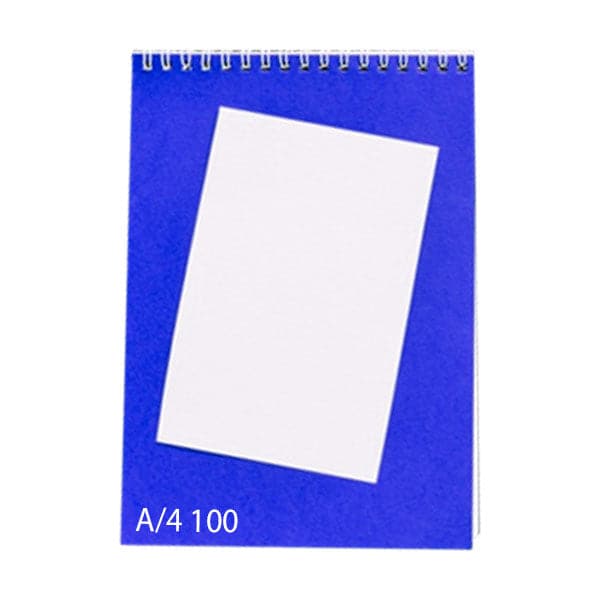
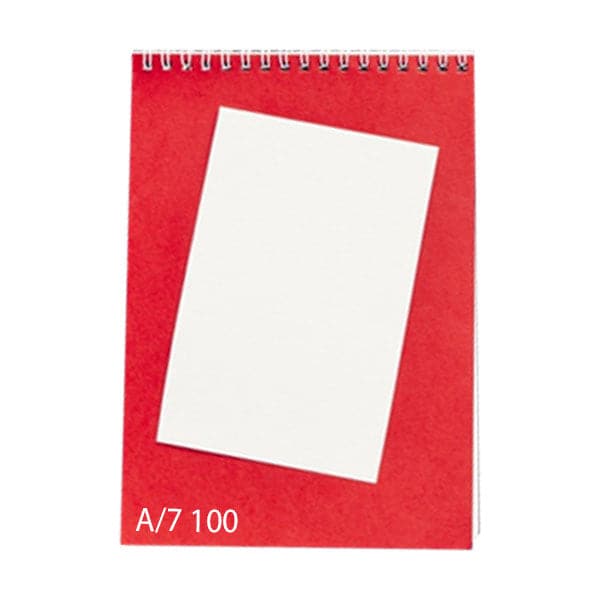
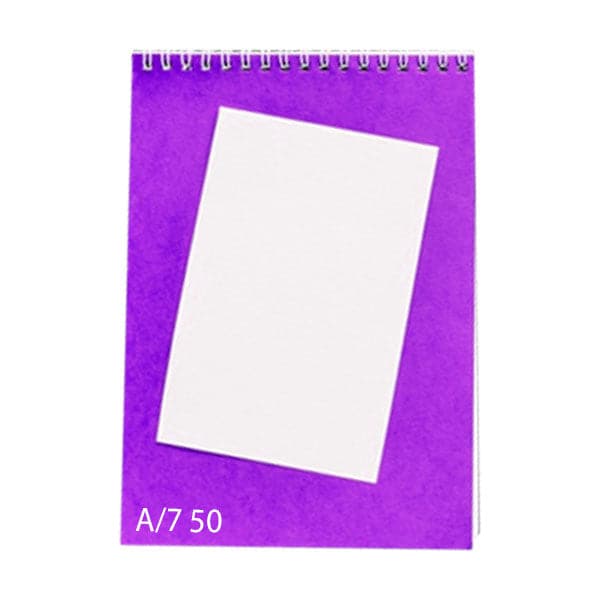
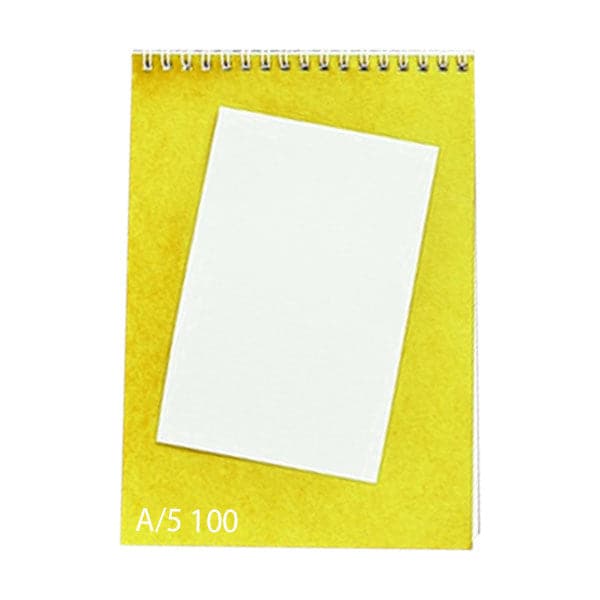
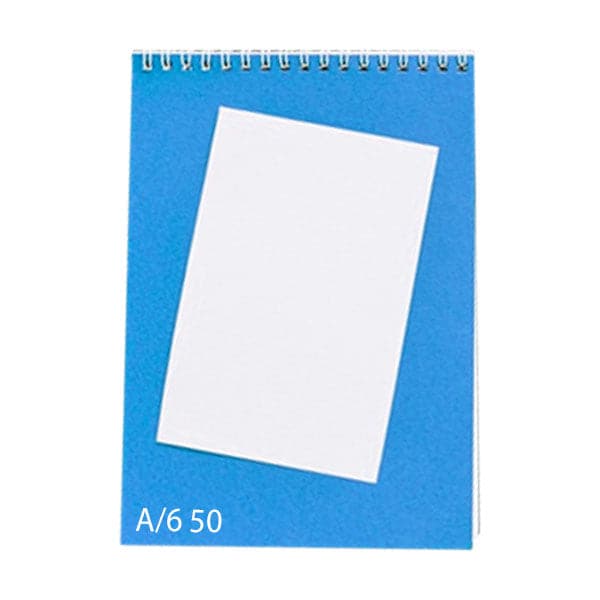
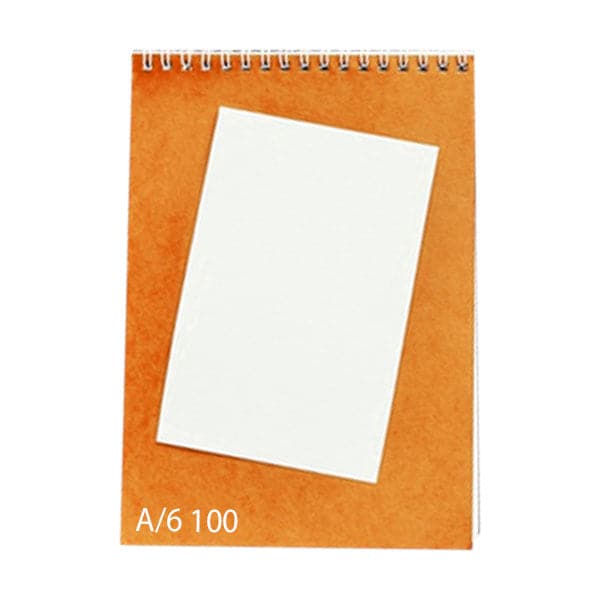
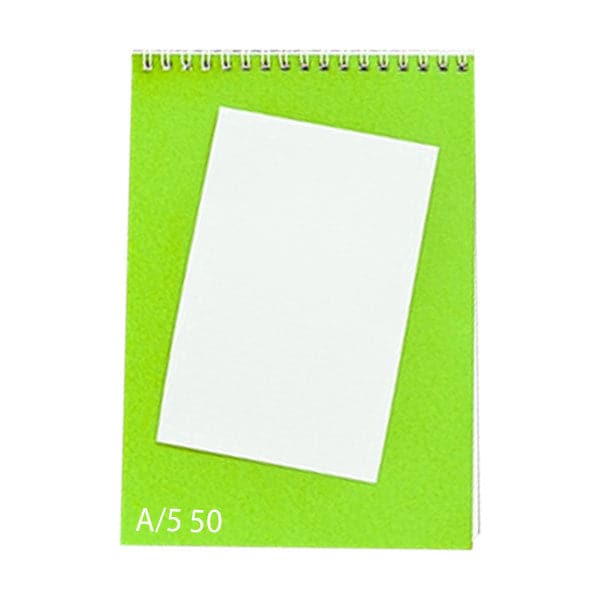
Drafting Pad for Accurate Technical Drawing and Design Work
A drafting pad is not just another paper product. For architects, engineering students, interior designers, and technical professionals, it is the foundation of precise drawing. Whether you are creating scale layouts, mechanical sketches, or classroom assignments, the quality of your drafting pad directly affects clarity, control, and presentation.
This collection is designed for individuals who understand the difference between regular sketch paper and structured drafting sheets. If you are comparing options or upgrading from basic paper, this guide will help you choose confidently.
Why a Dedicated Drafting Pad Matters
Technical drawing requires clean erasing, consistent texture, and the ability to handle pencil pressure without tearing. A standard notepad cannot support repeated corrections or detailed linework. That is where a proper drafting pad makes the difference.
Unlike a basic Note Pad used for everyday writing, a drafting pad offers thicker sheets, smooth grain, and better resistance to smudging. Engineers and designers rely on this consistency to maintain line accuracy and drawing scale integrity.
Students often underestimate how much paper quality affects results. Once you begin working on perspective drawings or structural plans, the value becomes clear.
Choosing the Right Drafting Pad for Engineers and Students
A drafting pad for enginers must support precision tools such as mechanical pencils, technical pens, and geometry instruments. The surface should allow clean graphite movement without excessive texture.
When selecting a professional drafting pad, consider:
Paper Thickness and Surface
Heavier GSM paper prevents curling and allows light inking if needed. Smooth surfaces are preferred for detailed technical drawings, while slightly textured options work for conceptual layouts.
Binding and Size
Top-bound pads are practical for desk work, while side-bound options suit field sketches. A3 and A2 sizes are common for architectural layouts, while A4 works well for student assignments.
Those comparing drafting pad price in pakistan will notice variations in quality and pricing. Local climate and storage conditions also matter; higher-quality sheets maintain structure better in humid environments.
Drafting Pads Within Broader Paper Categories
Drafting pads fall under structured drawing paper, distinct from general stationery. Within broader Paper Products categories, drafting pads are specifically manufactured for measured drawing and layout accuracy.
Professionals who manage project documentation alongside design work often source drafting materials together with essential Office Supplies to maintain workflow consistency. Keeping technical paper separate from everyday office sheets prevents mix-ups and preserves sheet quality.
Buying Drafting Pad in Pakistan with Confidence
When purchasing from Stationers.pk, clarity of specifications matters. Look for details such as sheet count, GSM, binding style, and size. A professional drafting pad should feel firm, erase cleanly, and remain flat during extended use.
For students preparing submissions and engineers working on precise layouts, investing in the right drafting pad ensures clean results and fewer frustrations during revisions.
FAQs
What is the difference between a drafting pad and regular paper?
A drafting pad uses thicker, smoother sheets designed for technical drawing, while regular paper is meant for writing or printing.
Is a professional drafting pad necessary for engineering students?
Yes. A drafting pad for enginers supports precise linework, clean erasing, and better presentation of assignments.
What size drafting pad is best for architecture work?
A3 is commonly preferred for architectural drawings, though A4 works well for smaller technical sketches.
Does paper thickness affect drawing quality?
Absolutely. Higher GSM paper resists tearing and allows repeated corrections without surface damage.
Where can I find a reliable drafting pad in Pakistan?
Specialized stationery retailers provide structured drafting pads designed for students and professionals.
Can drafting pads handle ink as well as pencil?
Many professional drafting pads support light technical inking, but always check paper specifications first.
How many sheets should a drafting pad have?
It depends on workload. Students may prefer 20–40 sheets, while professionals working on multiple layouts may need higher counts.