
Metallic Pigments & Powder Colors for Creative Applications
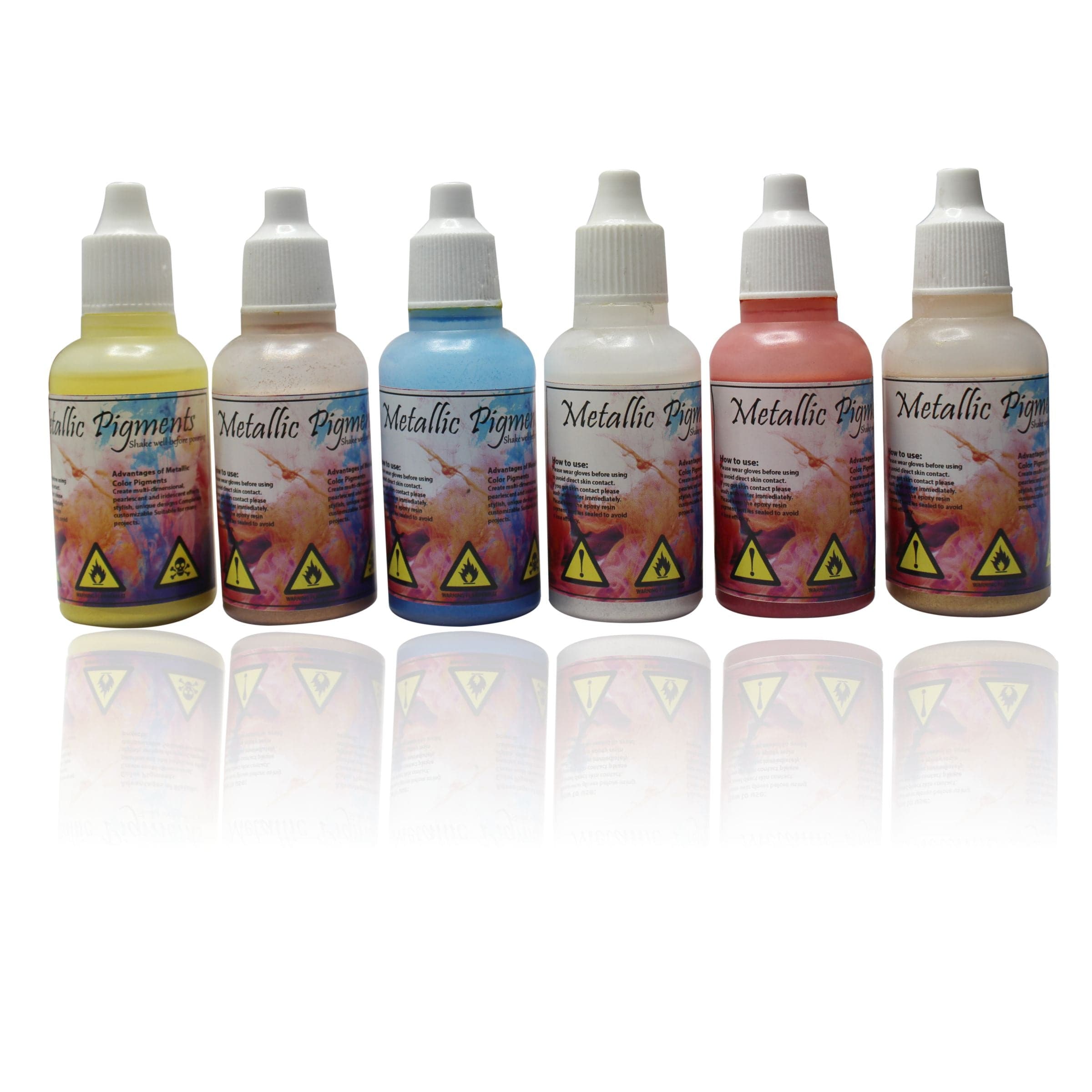
Pigments and powders play a vital role in artistic, decorative, and craft-based work where depth, shimmer, and surface impact matter. This collection is focused on metallic pigment options that help artists and makers achieve strong visual effects without compromising control or consistency. From subtle highlights to bold reflective finishes, these materials are chosen for practical use across different mediums.
At stationers.pk, pigments are curated with real usage in mind, suitable for artists, hobbyists, and small-scale creators working in Pakistan.
What Makes Metallic Pigments Different
A metallic pigment is valued for its ability to reflect light and add dimension to artwork. Unlike standard colors, metallic tones respond differently depending on application thickness, base surface, and binder used. Many artists prefer metallic pigment powder because it allows flexible mixing with various binders, resins, or mediums, giving full control over opacity and shine.
When considering pigment colour price, quality matters more than quantity. Finely milled metallic powder spreads evenly, avoids clumping, and delivers a cleaner finish. These characteristics make metallic powders suitable for detailed art, mixed media projects, and decorative finishes.
How Pigment Powders Are Commonly Used
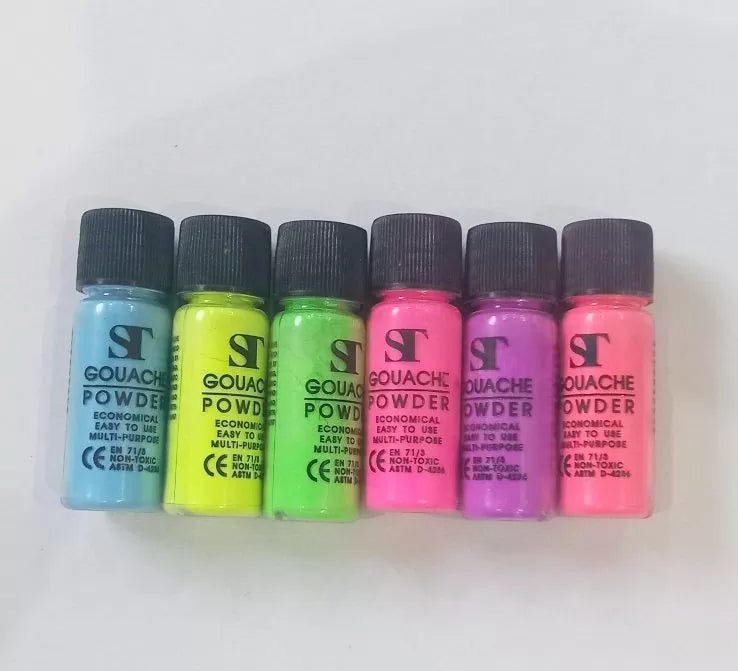
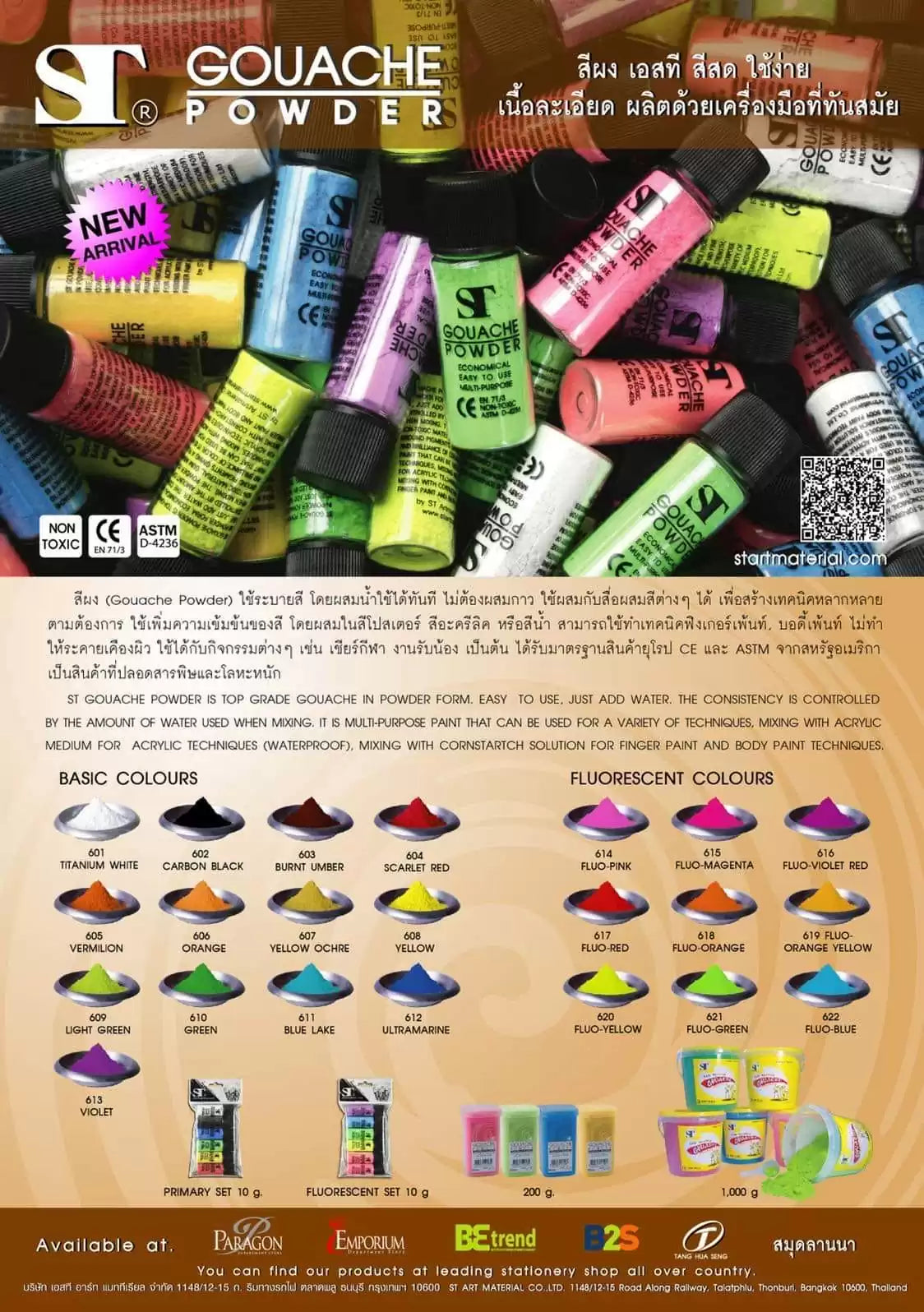
Pigment powders are often combined with suitable binders or mediums depending on the desired result. Artists working with paints may integrate pigments alongside paints mediums to create custom textures and finishes. This approach allows better adhesion and long-term stability on different surfaces.
For decorative and illustrative work, pigments are sometimes used with ready-made paints such as Poster & Foil Paints, especially when layering effects or enhancing reflective details. Understanding how pigments interact with base materials helps achieve consistent results.
Part of the Fine Arts Workflow
Pigments and powders are an essential component of the broader Fine Arts practice. They support experimentation, color customization, and surface design across painting, crafts, and creative décor. This collection is designed to serve both structured academic work and independent creative exploration.
Each product reflects a balance between visual impact and practical handling, making it easier to achieve reliable outcomes without unnecessary trial and error.
FAQs About Pigments & Powders
What is a metallic pigment used for?
It is used to add shimmer, reflective effects, and depth to art, crafts, and decorative projects.
Can metallic pigment powder be mixed with any medium?
It should be mixed with compatible binders or mediums for proper adhesion and durability.
Are pigment powders suitable for beginners?
Yes, with basic guidance, beginners can use them for simple decorative and mixed media work.
Do pigments fade over time?
Quality pigments are designed to maintain color stability when used correctly.
How should pigment powders be stored?
They should be kept in airtight containers away from moisture and direct sunlight.
Supporting Materials That Improve Results
Oil paints perform best when paired with the right supporting materials. Thinners and oils help adjust paint flow and drying speed depending on the technique. Many artists naturally combine their paints with Oil & Thinners to achieve cleaner brushwork and controlled layering.
In more advanced workflows, oil paints are often used alongside carefully chosen paints mediums to fine-tune gloss, transparency, and texture. These combinations allow artists to maintain consistency across large or multi-stage compositions.
A Trusted Choice for Fine Arts in Pakistan
Oil paints are an essential part of the broader Fine Arts ecosystem, supporting schools, studios, and independent artists across the country. From classical portrait work to modern experimental styles, this collection is designed to meet real creative demands rather than trend-driven expectations.
Every product reflects an understanding of how artists actually work, making this collection suitable for long-term use and serious practice.
FAQs About Oil Paints
Are oil paints suitable for beginners?
Yes, beginners can start with basic sets and gradually learn blending and layering techniques.
How long do oil paints take to dry?
Drying time varies, but oil paints typically take several days to weeks depending on thickness and medium used.
Do I need special brushes for oil painting?
Oil painting works best with sturdy brushes designed for thicker paint consistency.
Can oil paints be mixed with other mediums?
They should only be mixed with compatible oils, thinners, and oil-based mediums.
How should oil paintings be stored while drying?
They should be kept in a dust-free, well-ventilated space away from direct sunlight.